
ReStory: Chill Electronics Repairs — каталог деталей
Изучите подтверждённые семейства устройств, названия оборудования, источники запчастей и этапы ремонта.
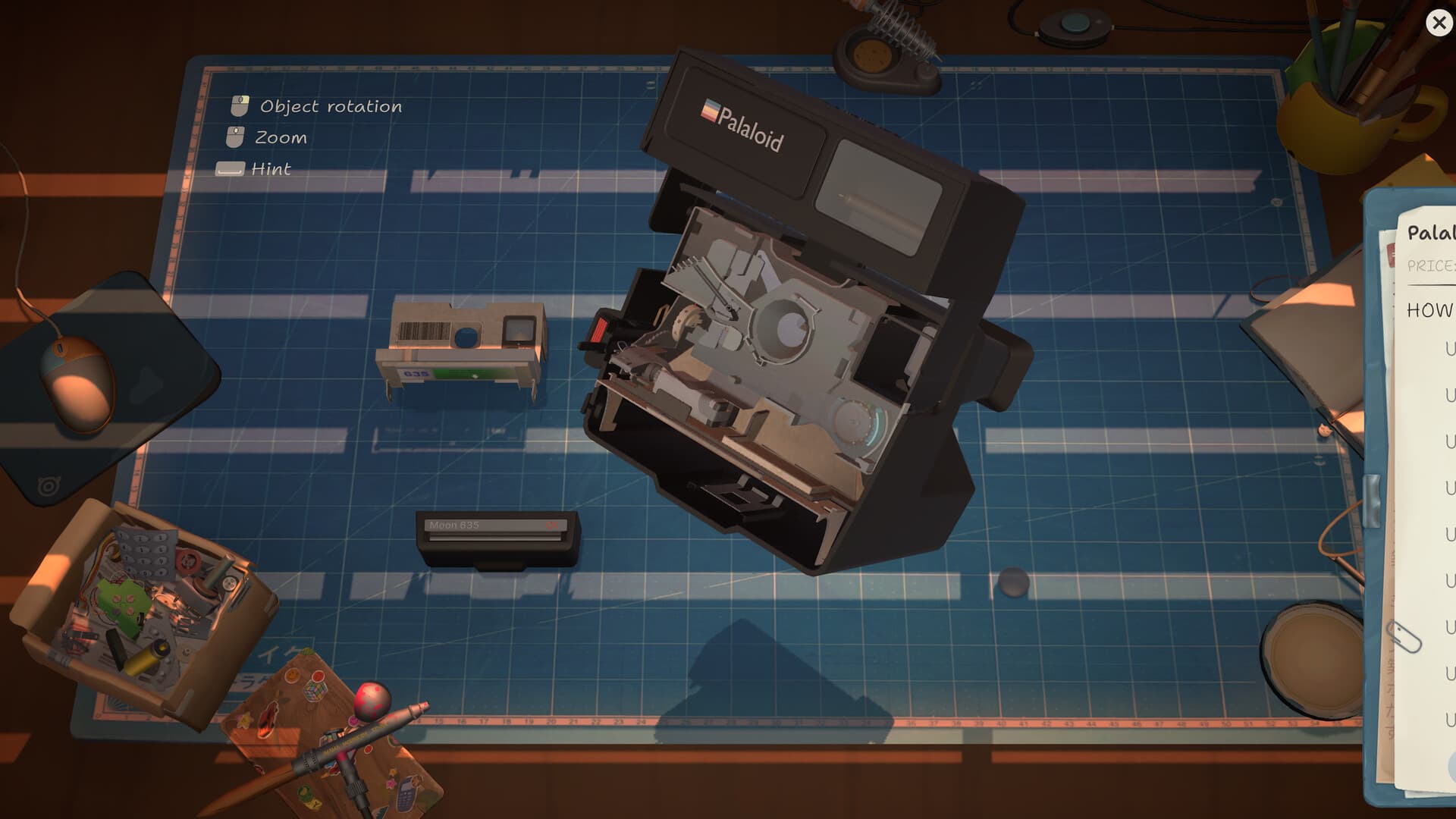
Каталог устройств и деталей ReStory: Chill Electronics Repairs охватывает семейства и названия устройств, которые упоминаются в официальных материалах. В игре используется браузер эпохи Y2K для поиска запчастей, а опубликованные материалы называют приставки, портативные устройства, телефоны, камеры, музыкальные проигрыватели и бытовую технику.
Подтверждённые семейства устройств
Официальное описание в Steam задаёт структуру каталога: ностальгические игровые приставки, портативные устройства, телефоны, камеры, музыкальные проигрыватели и бытовая техника. Используйте эти категории как фильтры на справочной странице.
Цикл ремонта связывает запись об устройстве с неисправным компонентом, этапом очистки, заменяемой деталью, инструментом и финальной сборкой. Организуйте каталог по семейству устройства и этапу ремонта.
Названия устройств из предоставленных материалов
В официальном объявлении Demo названы Pokia N-Joy, Patento BS и Palaloid. В том же объявлении говорится, что разборка Patento BS сложнее.
В материалах об Atari рассматриваются устройства Atari 2600 и 2800, а также джойстик CX40. Модели Atari следует вынести в отдельный раздел лицензированного оборудования, а не смешивать с общим списком приставок.
Рекомендуемые поля каталога
Создавайте одну строку для каждого названного устройства и одну связанную запись для каждой запчасти. Полезные поля — название устройства, семейство, этап ремонта, источник запчасти и тип заказа.
| Поле | Что можно указать сейчас |
|---|---|
| Устройство | Семейство устройства или названное оборудование |
| Этапы ремонта | Разборка, очистка, замена, сборка и выдача |
| Источник запчасти | Браузер эпохи Y2K и системы магазина |
| Тип заказа | Клиент, онлайн-заказ, маркетплейс или соревнование |
Как пользоваться каталогом во время игры
Начните с категории устройства и запроса клиента, затем запишите деталь, которую игра обозначает как неисправную. Найдите запчасть в браузере эпохи Y2K и отметьте, поступил ли заказ из веб-объявления, онлайн-запроса, покупки на маркетплейсе или другого источника.
Когда деталь будет найдена, запишите инструмент и состояние ремонта, а не только конечный результат. Так каталог деталей можно связать с прохождением, руководством по очистке, страницей об интернете и материалами об Atari без публикации неподтверждённых цен или дат разблокировки. Справочник с источниками полезнее длинного списка названий, которые нельзя проверить в полной версии.
Для Atari нужны отдельные заметки
В объявлении об Atari приведены необычно подробные сведения о разборке: для Atari 2600 и джойстика CX40 упоминаются четыре винта, материнская плата, джойстик, верхняя и нижняя части корпуса, красная кнопка и кабели питания. Для удобства игры соединение материнской платы с кабелем питания упрощено. Это официальные заметки о разборке внутри игры, а не полный каталог деталей для всех устройств Atari.
Не добавляйте на эту страницу советы по разборке реальной техники с высоким напряжением: это только справочник по игровому процессу.
Официальный источникОфициальные категории устройств и функция браузера в Steam
Официальный источникОфициальные материалы Demo, Atari и объявления об устройствах
ReStory: Chill Electronics Repairs — гайд для новичков
Начните с первого заказа и пройдите основной цикл ремонта: от разборки устройства до его выдачи клиенту.
ReStory: Chill Electronics Repairs — гайд по очистке
Разберите устройство, очистите детали, замените неисправный компонент и проверьте цели очистки из Steam.
ReStory: Chill Electronics Repairs — концовки
Отделяйте подтверждённые сюжетные выборы и достижения от неподтверждённых списков концовок и маршрутов.